
(973) 828-0041Free estimates
Schedule Service
The part of your chimney you never see, protecting the parts you live in.
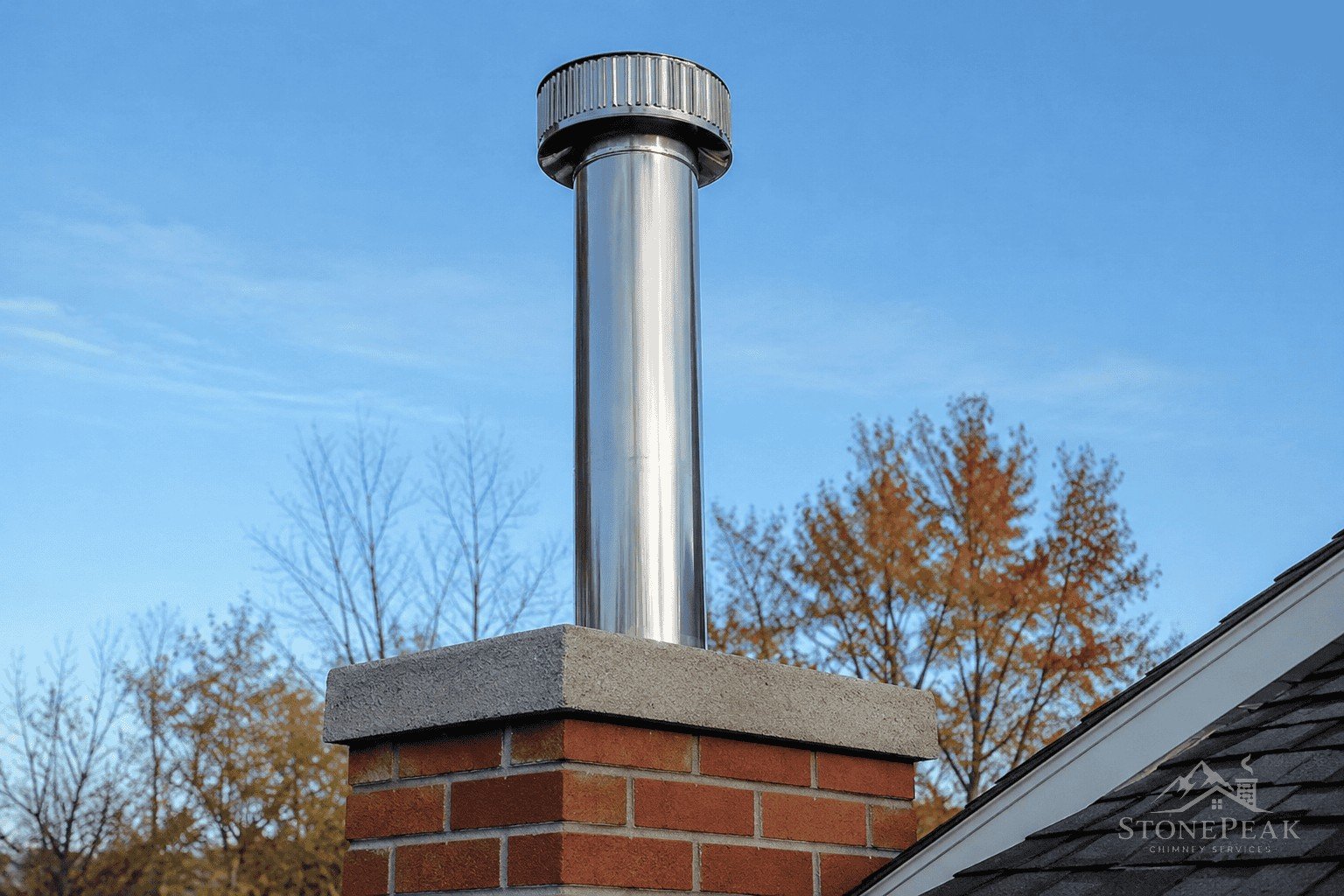
A chimney liner protects surrounding masonry from heat and combustion byproducts, and directs smoke and gases safely outside. Older New Jersey homes often still have their original clay tile liners, which can crack over time, especially after a chimney fire or years of freeze-thaw stress.
We install and repair stainless steel, clay tile, and cast-in-place liners, sized correctly for whatever’s venting through them — a wood stove, an oil furnace, or a gas appliance all have different requirements. An improperly sized liner is one of the more common issues we find during inspections.
We scan the existing liner to document cracks, gaps, or missing sections.
The replacement liner is sized to the specific appliance venting through it, not a generic standard.
Stainless steel, clay tile, or cast-in-place liner goes in, typically in a single day for stainless.
A final camera pass confirms the liner is properly seated and venting correctly.
Liner cost depends on chimney height, flue shape, and material — stainless steel liners are generally faster to install than replacing clay tile sections. An improperly sized existing liner sometimes means additional work to correct clearances.
Any liner works for any appliance.
FactLiners have to be sized to the specific appliance venting through them — a liner sized for a wood stove isn’t necessarily correct for a gas furnace sharing the same chimney.
If the liner looks intact from the top, it’s fine.
FactCracks and gaps are often mid-flue, invisible without a full camera scan from top to bottom.
A camera inspection is the most reliable way to check. Warning signs include tile fragments in the firebox, visible cracks, or a new appliance that isn’t correctly matched to the existing liner.
Most stainless steel liner installations are completed in a single day.
Most stainless liners we install carry a manufacturer warranty; we’ll walk you through the specifics for your installation.